
The New Wave of Nervous System Regulation: Between Science, Spirituality, and Silicon Valley

There's a peculiar moment happening in wellness right now. On one hand, we have NASA-grade biofeedback devices and FDA-approved digital therapeutics. On the other, we have people lying on vibrating beds claiming to access "non-ordinary states of consciousness." And, both might be onto something.
Two Brains, Two States (Sort Of)
Let's start with the science that's actually holding up. Your nervous system has been doing an intricate dance your entire life between arousal and calm, between focused attention and diffuse awareness. Recent neuroscience has given us better language for this.
Relaxed brain states are what you'd expect: alpha waves dominant, parasympathetic nervous system engaged, the kind of calm alertness you get after a good meditation session or while watching waves. Your default mode network is humming along, but not frantically. You're present, but not rigidly focused. This is restorative. This is where learning consolidates and your nervous system catches its breath.
Entropic brain states are messier and more interesting. The term comes from Robin Carhart-Harris' research on psychedelics, describing brain states with higher entropy: more disorder, less predictable neural firing patterns, decreased activity in the default mode network that usually keeps your sense of self intact. It's your brain with the guard rails temporarily removed.
The key insight: relaxed states help you recover from stress. Entropic states help you escape rigid patterns entirely.
Why Would You Want Either?
Relaxed states are your maintenance mode. Most of us are chronically under-relaxed, stuck in sympathetic overdrive, cortisol elevated, HRV depressed. The accumulation of stress without adequate recovery leads to everything from insomnia to autoimmune conditions. You want regular access to genuine relaxation not as a luxury but as basic biological hygiene.
Entropic states are your system reset. If relaxed states are defragmenting your hard drive, entropic states are questioning whether you need an operating system update. They can interrupt chronic pain patterns, break depressive rumination, dissolve trauma-reinforced neural pathways, and occasionally provide those perspective shifts that feel like remembering something you'd forgotten about being alive.
When do you want each? Relaxed states: regularly, probably daily. Entropic states: intentionally, perhaps less frequently, in choice moments, or when you're stuck and have the support to integrate whatever emerges.
The New Tools
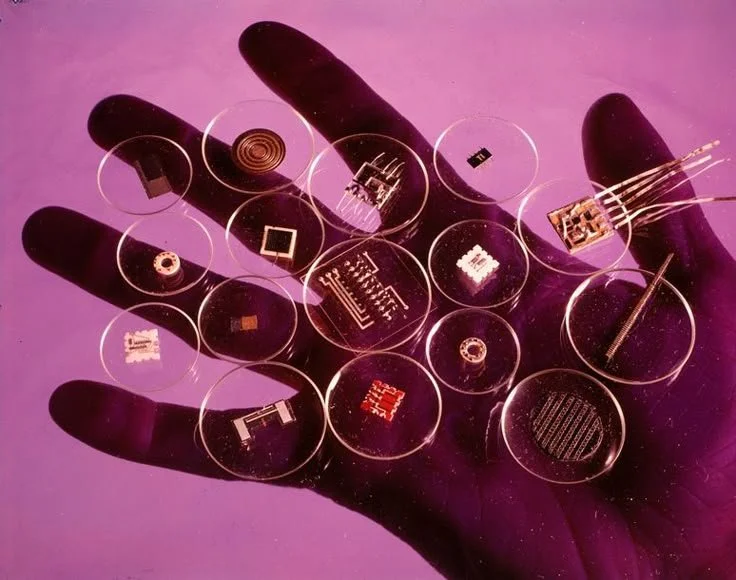
Digital Therapeutics have crossed a threshold. We're not talking about meditation apps (though those too). FDA-authorized treatments now exist for conditions from insomnia to PTSD delivered through software. Freespira for panic disorder. Somryst for insomnia. These are actual regulated medical treatments that happen to run on phones.
What makes them work? Often it's just good behavioral therapy delivered with the consistency and immediate feedback that humans struggle to provide. The digital part isn't magic; it's the removal of access barriers and the gamification of therapeutic compliance.
Vibroacoustic beds and chairs occupy stranger territory. You lie down, low-frequency vibrations move through your body synchronized to sound, and supposedly your nervous system downregulates. I say supposedly, but personally, I think they absolutely work! The research here is mixed but not absent. Some studies show reduced anxiety and pain, likely through a combination of mechanical stimulation and enforced stillness. Is it better than a skilled massage therapist or a quiet room? Unclear. But it's more scalable and can make for better Instagram content. Maybe it has to do with how you’re wired, no pun intended. How , you, inately related to frequency, sound, and vibration.
Sensory wellness technology, more broadly like float tanks, neurofeedback, VR meditation environments, binaural beats, ends to work through a few mechanisms: they either force your attention into the present moment (hard to ruminate in a sensory deprivation tank), provide immediate feedback on physiological states (seeing your brain waves change in real-time), or simply give permission to stop and do nothing in a culture that pathologizes rest.
Psychedelics: The Return of the Repressed
And then there's our beloved psychedelic renaissance, which has gone from fringe to Forbes in about a decade. MDMA for PTSD completed Phase 3 trials. Psilocybin is showing remarkable promise for treatment-resistant depression, and so much more! Ketamine clinics have opened in strip malls.
In all seriousness though, if you’ve spoken to me about ketamine, you know I’m very excited about the future of ketamine in women’s health. More on that soon.
What these technologies (and they are technologies, refined over millennia) provide is controlled access to entropic brain states. The research suggests they work not just through pharmacology but through the experience they catalyze—the feeling of ego dissolution, the mystical experience quality, the ability to view your own patterns from outside. YES THE EXPERIENCE!! AND YES THE INTENSITY OF SAID EXPERIENCE (read research HERE).
For someone curious but cautious, the therapeutic context matters enormously. A guided psilocybin session with integration therapy is a different species of experience than eating mushrooms at a music festival. Both valuable, and also in many ways…the same. Before you start squirming, those two settings are quite different. Sometimes the festival cracks something open that therapy couldn't touch, true. But if your goal is genuine psychological work, context isn't just helpful, it's load-bearing. The therapeutic setting frings focused intention, attention, proper guidance and support, creating conditions to address root causes and complex psychological material, not just have an interesting time.
As a companion to other nervous system regulation practices, psychedelics might be thought of as the deepest possible reset button, useful precisely because you don't press it often. They can show you what psychological flexibility feels like, give you a reference experience of your mind working differently, and sometimes provide the motivation to maintain less dramatic but more sustainable practices.
The Convergence That Actually Matters
Here's where it gets genuinely exciting: researchers are starting to combine these tools in ways that amplify what each does alone. Psychedelics temporarily increase neural plasticity (your brain's ability to form new connections), while neurofeedback trains specific patterns of brain activity through real-time feedback. Used together, you get a window of heightened malleability plus the ability to guide what gets reinforced.
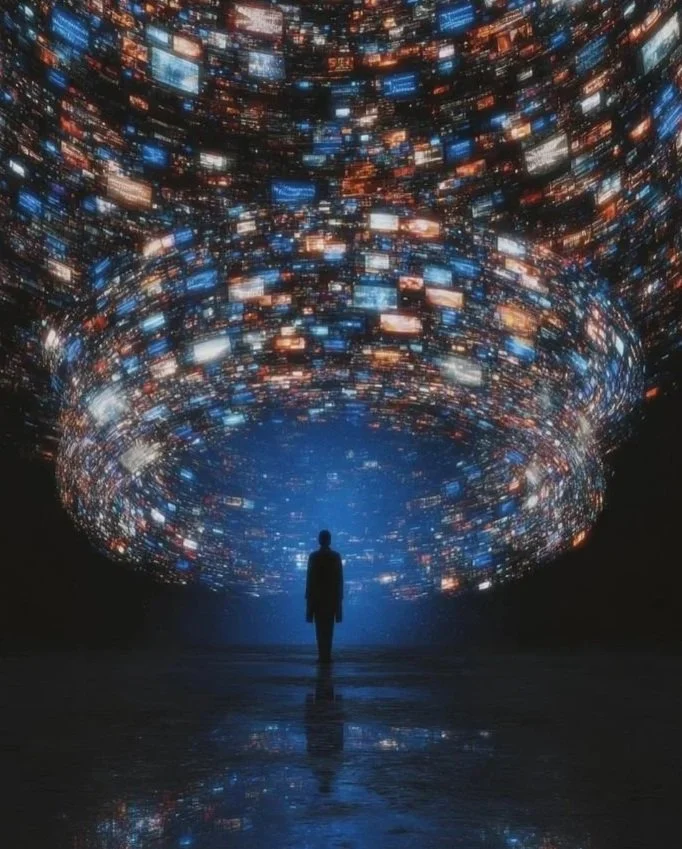
The feedback loop of expression itself, like speaking about your psychedelic experience, producing visual representations by drawing it or seeing it recreated visually by AI is powerful consolidation. Like replaying a dream immediately upon waking, externalizing the experience through multiple sensory channels (auditory through speaking, visual through creating, even kinesthetic through gesture) helps encode what was implicit into an explicit memory. You're now actively shaping which neural patterns get strengthened. The act of translating ineffable experience into language and image forces integration at the neurological level, turning a transient altered state into durable insight.
Researchers are exploring neurofeedback training before psychedelic sessions to help people navigate different brain states. Brain-computer interfaces (BCI) let stroke survivors with aphasia communicate by thought alone. Psilocybin therapy followed by targeted neurofeedback stabilizes the neural flexibility the psychedelic created. The University of California is exploring psychedelics for post-stroke neuroplasticity. Johns Hopkins is layering integration therapy with real-time brain imaging. This isn't wellness tourism—it's legitimate neuropsychology recognizing that consciousness is malleable, the brain rewires itself under the right conditions, and we're finally getting sophisticated enough to work with both intentionally.

So what exactly happens when psychedelic science meets real-time AI and brain-computer interfaces?
Where others see separate revolutions, James Barnes, founder of Etherea AI, see a single arc of human transformation. He is exploring how three rapidly advancing technologies, psychedelics, AI, and BCI, can work together to expand access to healing and creative expression.
Check out his latest creation, The Nature of Things.
Now, the Opposition: When Technology Heals Or Performs Healing
Now, the critical question: Is healing with VR cool or cringe?
The honest answer is: both, depending on execution.
VR for exposure therapy, gradually introducing someone with PTSD to trauma reminders in a controlled environment, is legitimately effective and backed by solid research. VR for pain management during wound care works. VR for phobia treatment has replicated results.

But there's also a lot of wellness theater. VR "meditation experiences" that are just regular meditation, but you paid $40 and you're wearing a headset. Apps that gamify mental health to the point where you're more anxious about your mindfulness streak than about whatever drove you to the app.
GET OFF YOUR SCREENS AND GO OUTSIDE!
The cringe factor usually emerges when:
Technology adds complexity without adding efficacy
Marketing over promises based on thin research
Tools medicalize normal human experience (you don't have a "resilience deficiency")
The tech replaces rather than supplements human connection
The genuine progress happens when:
Technology removes barriers to evidence-based treatment
Tools provide feedback loops that humans can't
Innovation increases access rather than creating luxury wellness tiers
The technology admits its limitations
The Integration Question
Here's what most of this emerging field misses: the technology is never the hard part. Accessing an altered state through breath, sound, substances, or electronics is relatively straightforward. The challenge is integration. What do you do with the nervous system flexibility once you've created it?
Someone might use a vibroacoustic bed to achieve deep relaxation or have a profound emotional release, but if they immediately return to a toxic work or unsupportive home environment, they've just created an expensive and temporary band aid. Just as someone might have a profound psychedelic experience, see their depression from outside, and then return to the same thought patterns within weeks without integration work.
The best use of these technologies might be as catalysts or training wheels. They show you what's possible in your own nervous system, they give you reference experiences, and ideally they help you develop capacity you can eventually access without them.
Am I saying you that you might want to sit with a guide or therapist to integrate your soundbed experience? Yes, actually I am. Even if it’s a 15 minute check in followed by some journaling.
A Practical Synthesis
So, if you're exploring this landscape, a few principles:
Start simple before going exotic. Master basic sleep hygiene and regular exercise before investing in neurofeedback equipment. Try ten minutes of daily breathwork before booking the ayahuasca retreat.
Match the intervention to actual need, not vague optimization. Do you have clinical depression or are you just occasionally sad? The answer changes what tools make sense. Perhaps these technologies will make for great companions on your therapeutic journey and you might use them as add on modalities to talk therapy, EMDR, or ketamine assisted therapy.
Be skeptical of anything that can't explain its mechanism. "It balances your energy" is less promising than "It provides real-time HRV feedback to train vagal tone."
Expect technology to be complementary, not sufficient. The app can track your mood, but you still need to make the life changes or have the conversations.
And perhaps most importantly: altered states are interesting, but what matters is who you are in ordinary states. The goal is to bring some of that flexibility, perspective, and calm back to your default experience of being alive.
The nervous system regulation tools emerging now, from digital therapeutics to psychedelic therapy, represent genuine progress in making interventions more accessible, precise, and effective. Healing remains a human activity that can benefit from interesting technology rather than a technological achievement that involves humans.
The cringe isn't in using VR or lying on a vibrating bed or microdosing psilocybin. The cringe is in believing that purchasing access to altered states is the same as doing the work of becoming more whole.
Liked this read? Subscribe for more: HERE