


Eli Lilly isn't investing in your mystical experiences.
Eli Lilly isn't investing in your mystical experiences.
The experience still belongs to clinicians and how they provide for their patients.
As Eli Lilly moves to acquire Atai Beckley, many are expressing concern about what it means for the future of psychedelic medicine. Those concerns are valid. But perhaps we can invest and focus more on the shaping the standard of care and patient experience, and remember that Eli Lilly is investing in pharmacology, not trying how clinicians offer support beyond the drug. And maybe that’s a good thing— square peg, round hole.

The Ceiling of Psychedelic Medicine: Why Scale, Not Science, Is the Real Challenge
Perhaps it’s more of a philosophical challenge than an operational one. Psychedelic therapies derive much of their power from time, depth, emotional intensity, experiential resonance, and the therapeutic relationship. Since none of these are easily compressed into variables, do we optimize for scale and potentially dilute the experience in doing so? Or do we limit access and preserve the experience.
Uh-Oh. Are those really our two best options?

Ketamine-Assisted Therapy: What Every Provider Needs to Know Before Starting
The clinical literature on ketamine is largely a literature about pharmacology. What it does not capture well is the human dimension of the work, and that is precisely where most of the variance in outcomes lives.
Good ketamine-assisted therapy practices have invested in their physical space. They have thought carefully about their music. They have built a preparation protocol that goes beyond intake paperwork. Their clinical team is diverse (in every sense of the word!) and has done some version of their own inner work, enough to be comfortable sitting with a patient in a non-ordinary state without projecting anxiety into the room. They have integration infrastructure, whether internal or through referral. And they have been honest with themselves about which patients they are positioned to serve well and which they are not.

MDMA is Different Than Psilocybin — But How?
Information about both MDMA's and psilocybin's ability to support symptoms of depression and boost serotonin continues to circulate widely. Although some effects can appear similar, these two compounds behave very differently in the brain. Here is an updated overview of how they differ mechanistically — and why that matters clinically.
You'll Probably Be Back: What MDD and TRD Patients Should Really Expect from Psychedelic Therapy and How Care Providers Should Be Talking About It
And let's be honest about something else: different chapters of life have a way of bringing people back to work they thought they'd already done. Every significant challenge — grief, transition, rupture, growth — is an invitation to look in the mirror again. For those with a history of MDD or TRD, that reality is even more pronounced. The mirror doesn't go away. But with the right tools and the right support, people get better at facing it.
So what does that actually look like? What happens in the months and years following a profound psilocybin therapy journey, or an 8-week ketamine protocol? What should we be saying to new patient callers? Or to the patient who does beautifully for eight months and then feels the darkness return?
This is the return visit nobody talks about.

COMP360 REMS & Future Practice: What Clinics Need to Know
A REMS would include certified prescribers, meaning only specially trained and enrolled clinicians could prescribe COMP360. The FDA has indicated it is considering developing a class-wide REMS for psychedelics given the complexity of the risks involved, and provider training or certification is one of the primary tools being considered.
Afrofuturism Is a Psychedelic Practice—Even Without the Drugs
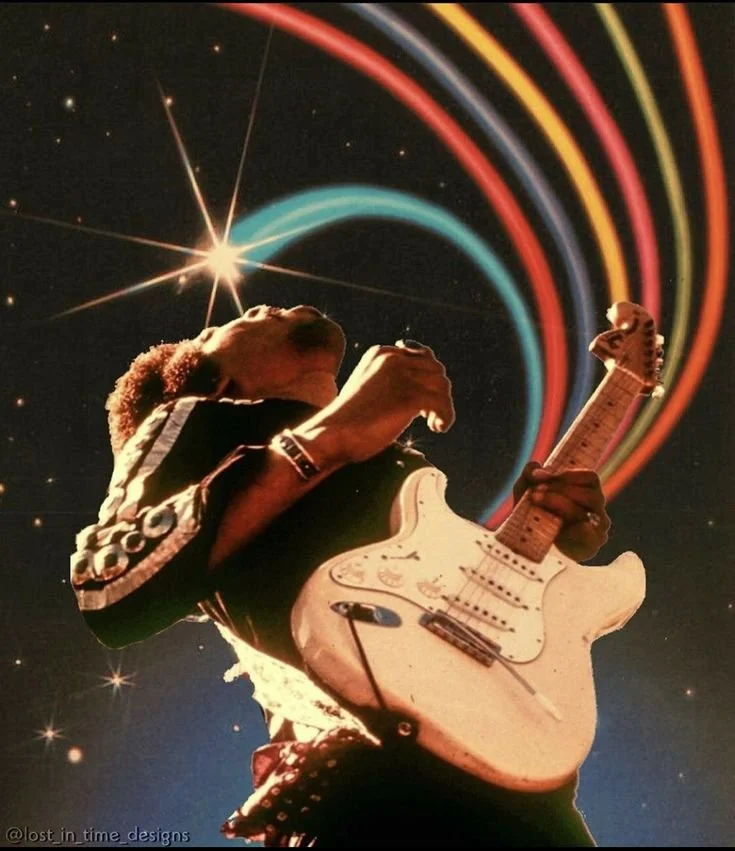
Afrofuturism is often described as a cultural aesthetic that blends science fiction, African diasporic history, and speculative futures. That definition is accurate, but incomplete. At its core, Afrofuturism is a reorientation of perception. It dissolves linear time, reclaims narrative authorship, and constructs alternate realities in which Black identity is expansive, technologically integrated, and cosmically situated. In other words, it does what psychedelics are often said to do: it loosens the grip of inherited structures and opens the door to new ways of seeing.
Psychedelics no more effective than Antidepressants?!
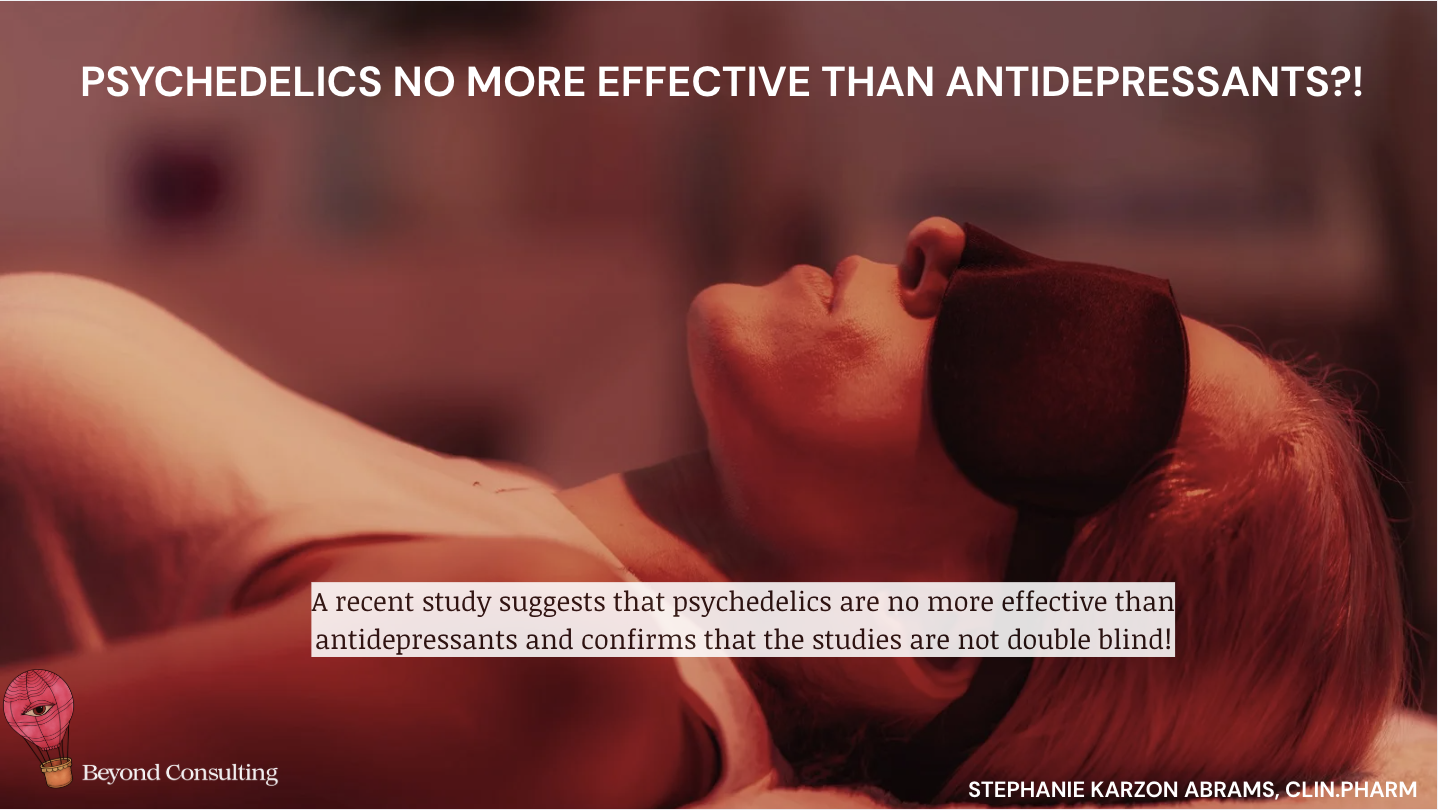
“Psychedelics are no more effective than antidepressants”
Is this headline true or a misleading oversimplification? Do we need new tools to measure and evaluate efficacy of psychedelic therapies or do we just need to redefine what success looks like?
Techno & The Neuroendo
In 1998, a team of Italian researchers led by G. Gerra published a study in the International Journal of Psychophysiology that would become one of the most cited pieces of evidence that electronic music does something measurable to the human body's internal chemistry. Their paper, "Neuroendocrine responses of healthy volunteers to 'techno-music': relationships with personality traits and emotional state," set out to do something deceptively simple: draw blood from young people before and after listening to techno, and see what changed. What they found was remarkable. The beat was rewriting hormones.
This is a story about that study, about what the neuroendocrine system is and why it matters, about the new science of psychedelic medicine that is using these same biological levers as targets for healing, and about the strange, beautiful convergence of electronic music, chemistry, and consciousness research unfolding right now.
The Medicine Song: What Modern Medicine Doesn’t Understand About Healing
Here is the truth about modern medicine

From Phase 3 to Practice: How Clinics Can Prepare for Psilocybin Therapy Now
Compass Pathways’ COM360 program has reached Phase 3 endpoints. In clinical terms, this is a data milestone. In cultural terms, it is a bell tolling across the mental health landscape.
How to prepare with Beyond Consulting

The Oneirogen Hypothesis, Psychedelics & Ancient Dream Practices
If you’ve ever laid in that liminal space between sleep and wakefulness, where images are vivid, emotions intense, and time elusive, you’ve brushed the very terrain explored by a new scientific proposal that’s been rippling through psychedelic theory: the oneirogen hypothesis.

Psychedelics for Help with Addiction and Substance Use Disorder
Psychedelics may serve as a potential treatment for addiction, offering a novel approach that targets the emotional, psychological, and neurochemical roots of substance use disorders. Substances like psilocybin and LSD, for example, are believed to disrupt habitual thought patterns and promote introspection, facilitating emotional healing. While ibogaine, the psychoactive alkaloid derived from the iboga plant, can also foster deep insight, it is also believed to help with addiction by modulating the brain’s dopaminergic and opioid systems, reducing withdrawal symptoms and cravings.

Why Psychedelic-Assisted Therapies for Women’s Health Transitions
Psychedelic-assisted therapies for women’s health offer a different lens. One that recognizes women’s health transitions as whole-system events, involving brain chemistry, nervous system regulation, emotional processing, and identity reorganization all at once.

How to Work With GALILEA®
How to Work With GALILEA®
Jan 3
Written By Stephanie Karzon
A Practical Guide for Clinics, Practices, and Providers
GALILEA® works with providers, clinics, and psychedelic therapy centers as a strategic and clinical partner. Our offerings are designed to meet you where you are—whether you’re seeking expert perspective, refining an existing practice, or building something entirely new.
All engagements are provider-to-provider and consultant-to-practice, and each tier includes access to our broader multidisciplinary expert team as needed. This allows us to match the right expertise to your specific clinical or operational questions.

G A L I L E A ®
GALILEA® is a multidisciplinary program teaching cycle-aware care as both a clinical and relational practice.
GALILEA® brings together psychedelic-informed practice, women-centered precision medicine, operational excellence, and data you can trust into a cohesive program that clinics, therapeutic centers, and practitioners can adopt and evolve within their own ecosystems.
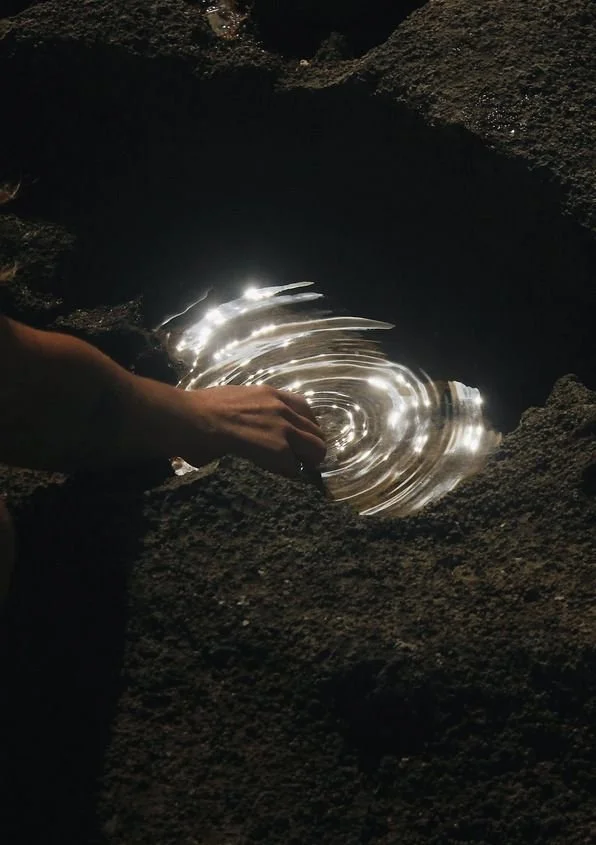

The New Wave of Nervous System Regulation: Between Science, Spirituality, and Silicon Valley
There's a peculiar moment happening in wellness right now. On one hand, we have NASA-grade biofeedback devices and FDA-approved digital therapeutics. On the other, we have people lying on vibrating beds claiming to access "non-ordinary states of consciousness." And, both might be onto something.


Neuroplasticity: The latest BUZZ word
Neuroplasticity, psychedelics, and buzz.
The pons, a region involved in movement and implicated in consciousness.
Source: https://www.gregadunn.com/self-reflected/self-reflected-gallery/